
Course 01 — 2 days · 8 sections
From first examinationto retentionMetamorphosis
A two-day theoretical course covering the orthognathic surgery patient’s entire journey, from the first examination to retention. More than 500 clinicians have attended its five editions.
Concept
Orthognathic surgery patients pass through a cocoon stage like a butterfly, metamorphose, and meet their new faces. That is why the course concept is “Metamorphosis”.
All the knowledge and experience gathered in orthognathic surgery since 1995, at home and abroad, is shared in a two-day course: the complete orthodontic and surgical planning from the patient’s first visit, post-operative follow-up, the pre-surgical approach to patients with TMJ problems, splint therapy, and every detail of segmental maxillary surgery.
After the first three editions the course content was redesigned, and the fourth edition met its audience in March 2023.

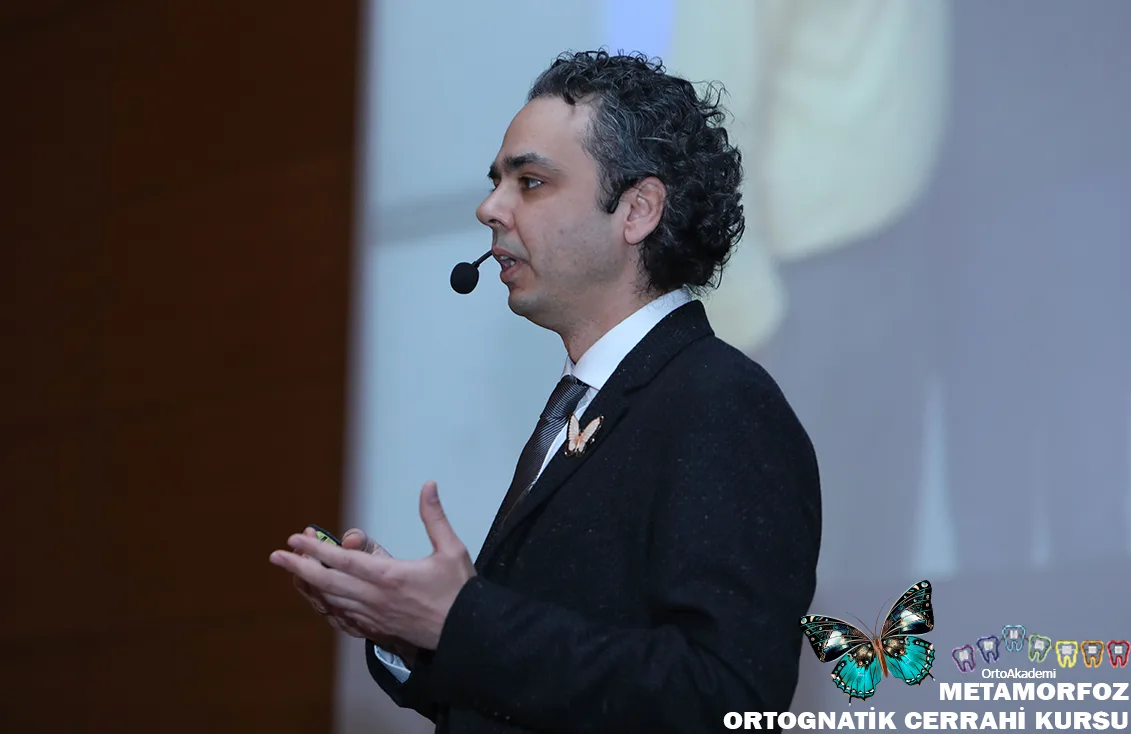

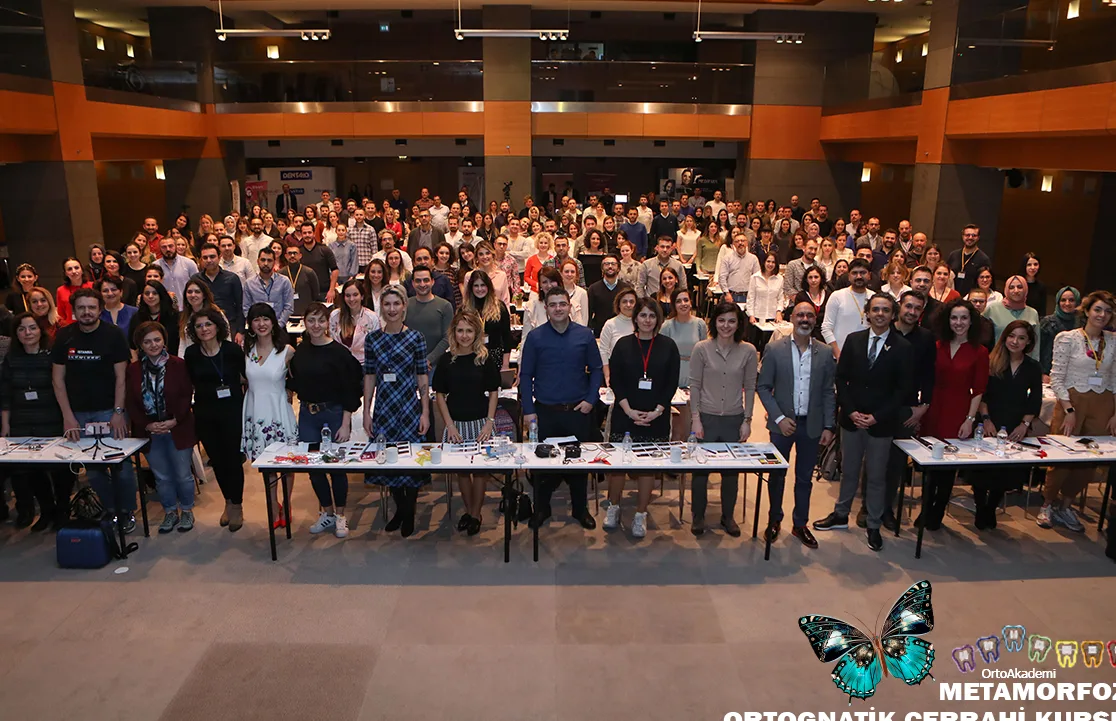
Course Programme
First examination
- Aesthetic and functional criteria for surgical indication
- Communicating with the orthognathic surgery patient
- Orthodontist–surgeon communication
- Approach to patients with TMJ problems
Pre-surgical orthodontic preparation
- Cephalometric analysis and planning
- Extraction versus non-extraction decisions
- Bracket and attachment selection
- Mechanics and anchorage control
- Evaluation of the preparation and surgical archwires
Pre-operative case analysis
- The importance of condyle position
- Determining natural head position
- Radiographic examinations and clinical analysis
- Facebow transfer
- What to discuss with the patient and family
Surgical planning
- Two-dimensional computer planning
- When is mandible-first surgery preferred?
- Segmental maxillary surgery and corticotomy
- Model surgery
- Properties of surgical splints
Three-dimensional surgical planning
- Virtual planning and splint production workflow
Surgery day
- Trying the splints before surgery
- The orthodontist’s duties in the operating room
After surgery
- First visit: tying decision and exercises
- Achieving a stable occlusion and finishing treatment
Stabilisation and retention
- Fixed and removable retainers
- Causes of relapse
- Bio-aesthetic restorations
- Case examples · Limits and complications in surgery
From the Archive
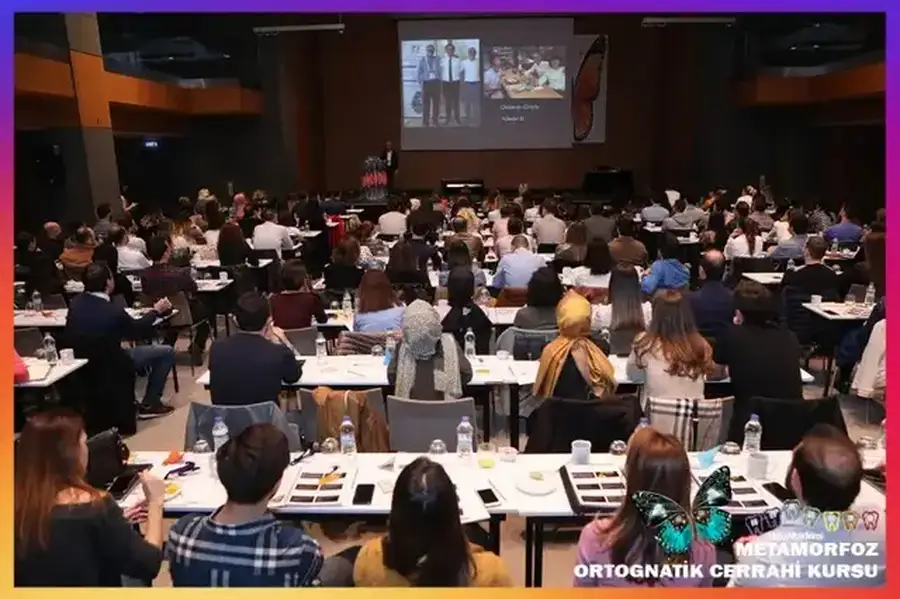


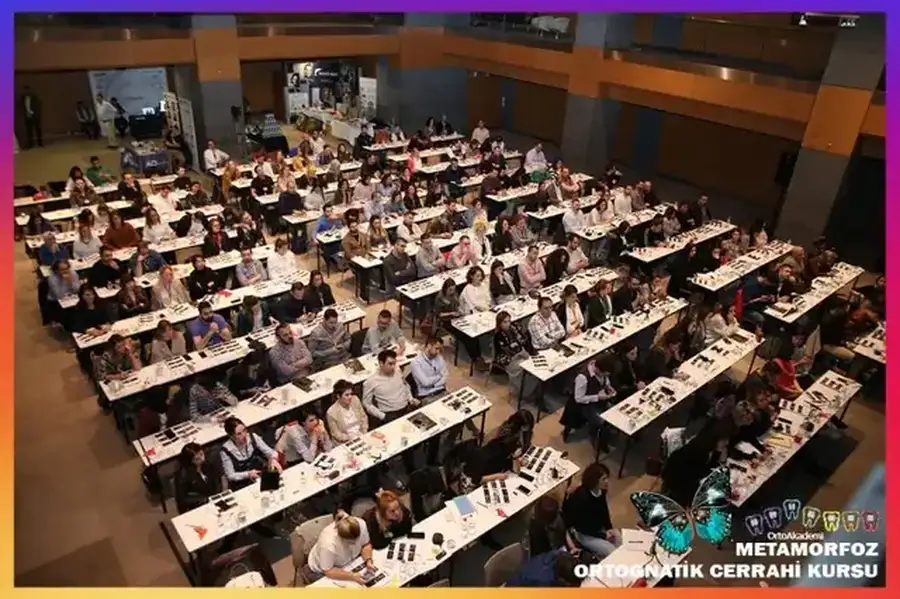

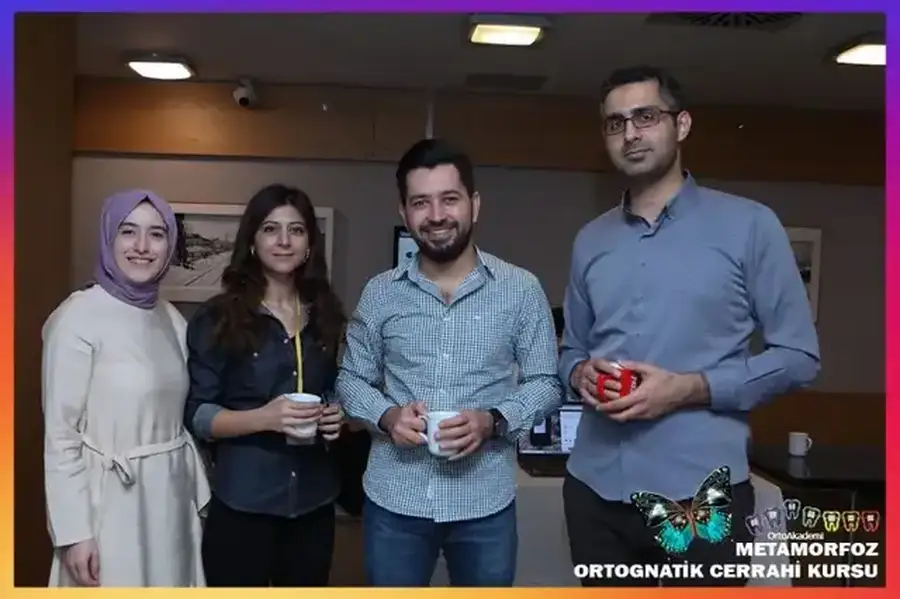
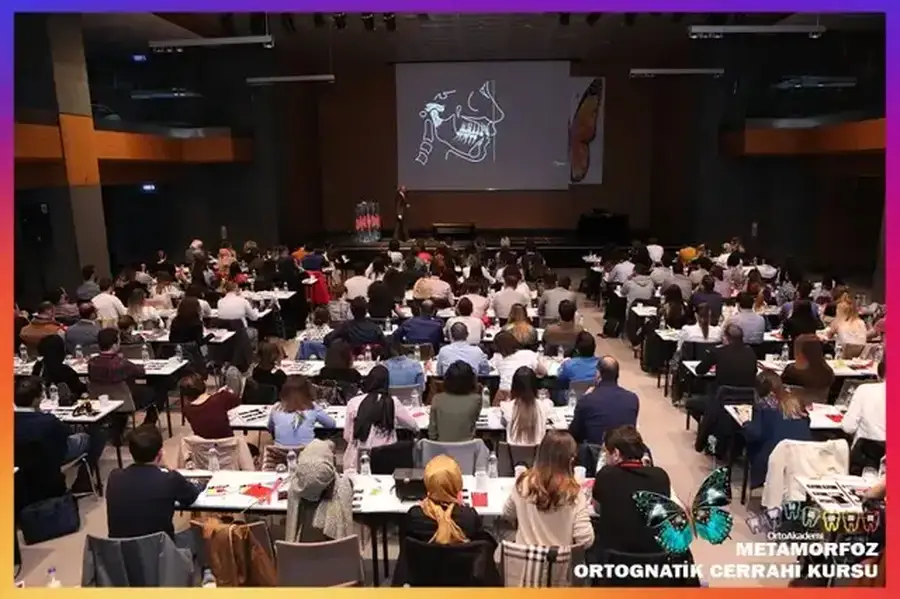
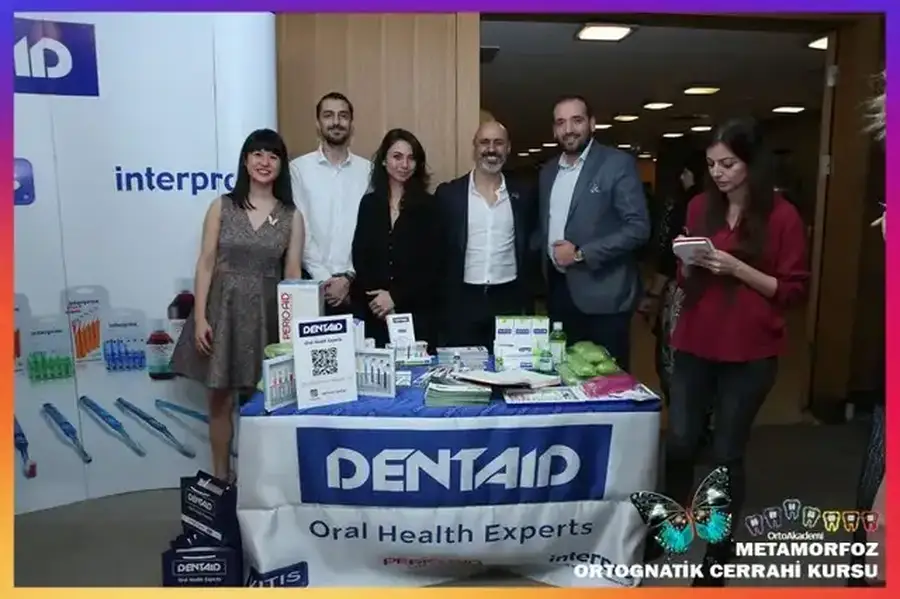


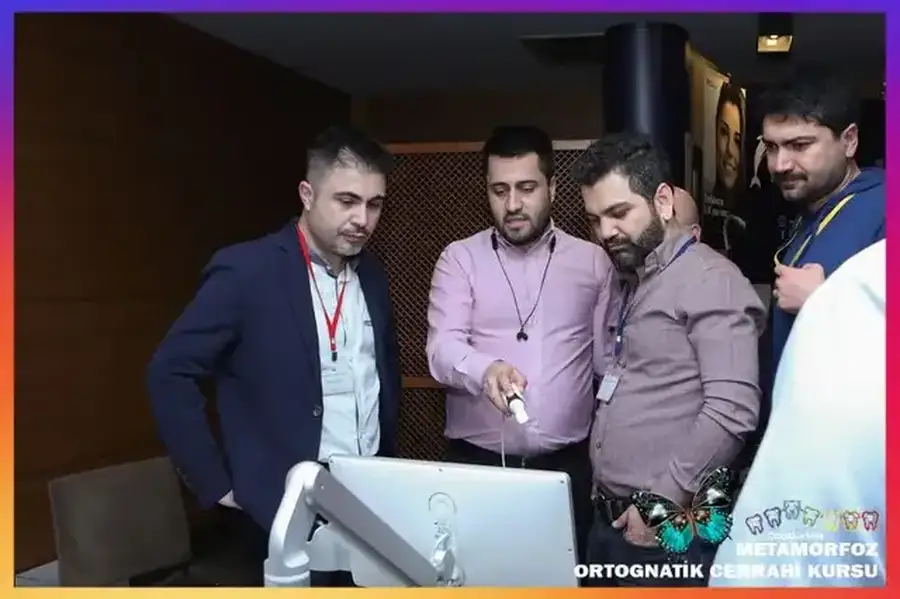

Past Editions
Be the first to know
about new course dates.
Leave your name and e-mail; you will be the first to hear when new dates are announced.